
Debris Hauling - Dump Truck - Grapple Truck & Vegetation Removal Services
Did you know?
- Did you know? Clearing storm or construction debris promptly can prevent it from becoming a breeding ground for harmful pests like mosquitoes, which are known carriers of diseases such as West Nile Virus and Zika Virus?
- Stagnant water in debris piles can also lead to mold growth and attract rodents, while decaying organic material can cause unpleasant odors and degrade the surrounding environment.
- Our debris hauling services ensure that all waste is removed efficiently, leaving your property clean and healthy.
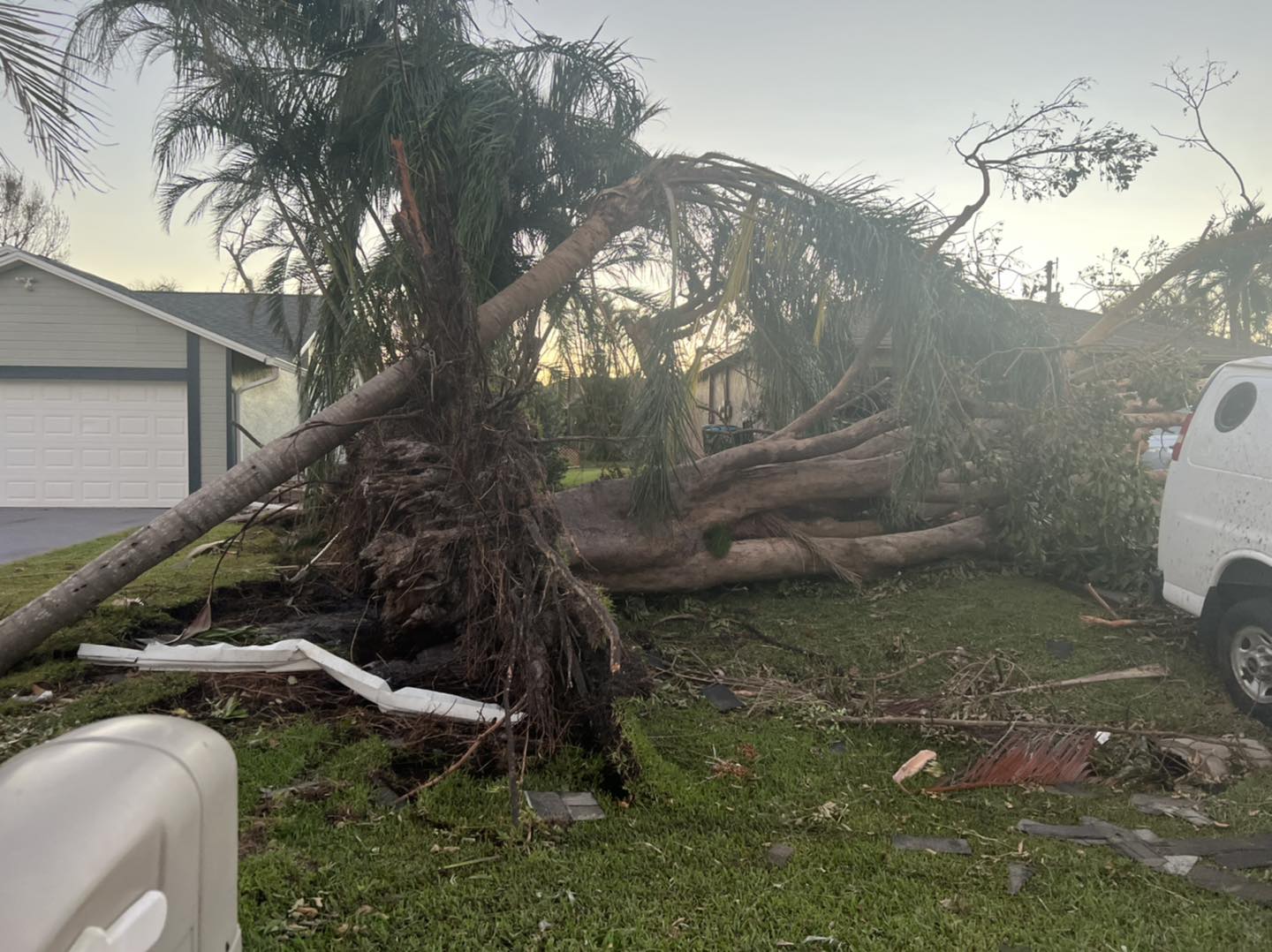
- When clearing land or dealing with storm debris, removing large amounts of waste is ideally the way to go.
- We start by gathering all the debris—whether it’s fallen trees, branches, or unwanted vegetation—into workable piles.
- Using dump trucks and grapple trucks, we load the debris and haul it off-site for proper disposal.
- For smaller debris, we use wheelbarrows or loaders to transport it to the trucks.
- Whether it’s organic material that can be recycled or simply waste that needs to be disposed of, we handle the removal process.
Ready to get great service?
Debris Hauling, Dump Truck & Grapple Truck Services in Tree and Vegetation Management
Drop Zone Tree Service and Landscaping offers professional Debris Hauling, Dump Truck, Grapple Truck, and Vegetation Removal Services in Eastern North Carolina.
Our services are essential for efficiently clearing and disposing of large quantities of debris, vegetation, and waste from various types of projects, whether residential, commercial, or post-storm cleanup.
Our services provide powerful solutions for managing bulk debris that cannot be handled by standard means.
Post-Tree Removal Cleanup
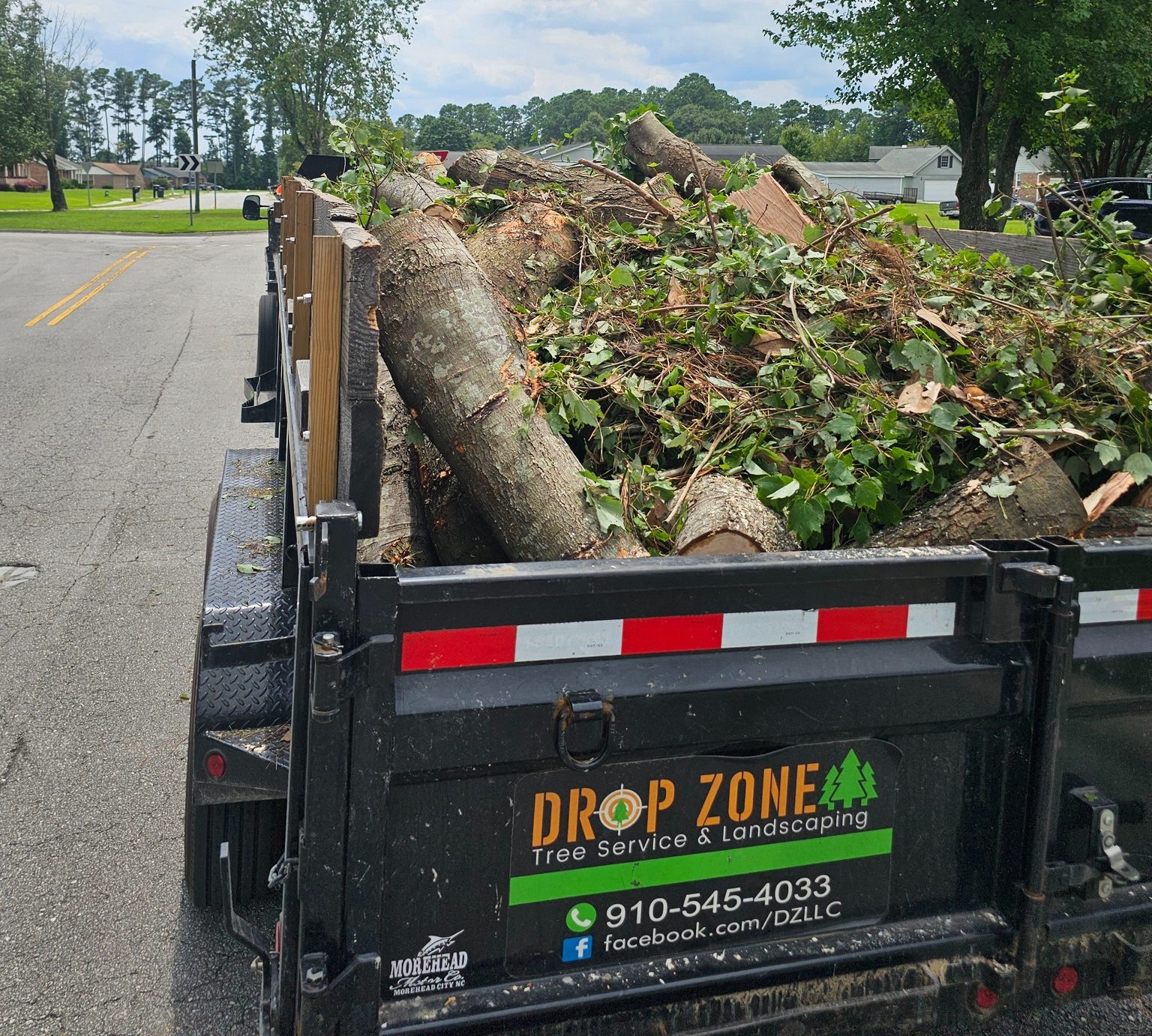
- Tree Debris Collection: After large trees or limbs are removed, the remaining branches, logs, and wood chips need to be efficiently cleared from the site. A dump truck is used to haul these materials to recycling centers or disposal sites, but when larger sections of the tree need handling, a grapple truck is deployed.
- Grapple Truck Use: The grapple truck is equipped with a hydraulic arm and claw, which allows it to pick up large logs or heavy debris. Instead of needing manual labor to load the truck, the grapple efficiently lifts tree sections weighing hundreds or thousands of pounds and places them in the truck bed.
- Example: After removing a 70-foot oak tree, large sections of the trunk and limbs are too heavy for standard removal. A grapple truck lifts these sections and transports them for disposal or recycling.
Storm Debris Cleanup
- Post-Storm Cleanup: Severe storms like hurricanes or tornadoes can scatter large amounts of debris, including trees, branches, and even structures. After the immediate hazards are removed (such as fallen trees), the remaining debris needs to be cleared.
- Dump Truck Use: In the aftermath of a major storm, debris can include tree limbs, roof shingles, building materials, and soil. A dump truck allows for large-scale hauling of this debris in a single trip, making the cleanup process faster and more efficient.
- Example: After a hurricane, fallen trees, roofing debris, and fence materials cover a property. The dump truck is loaded with multiple types of debris, hauling it to the landfill for safe disposal.
- Grapple Truck Use for Large Debris: In cases where large logs or building materials (such as beams) are mixed into the debris, a grapple truck is needed to lift the heavy materials into the dump truck or directly into disposal facilities.
- Example: A grapple truck is used to remove large branches and chunks of timber from the road after a severe thunderstorm knocked down multiple trees across a neighborhood.
Land Clearing and Site Preparation
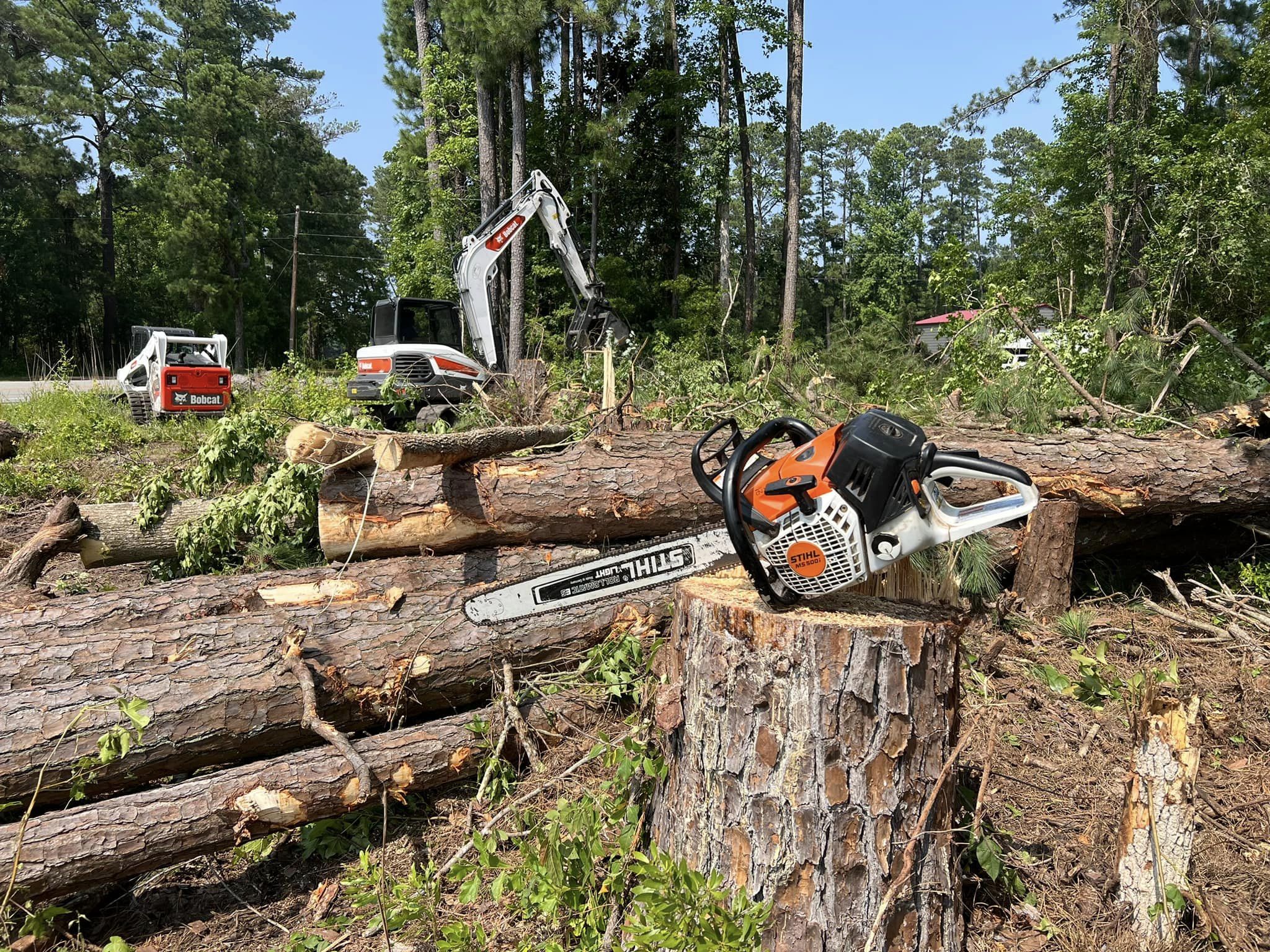
- Removing Vegetation for Construction: When preparing land for development or landscaping, large amounts of vegetation, including trees, bushes, and underbrush, need to be cleared from the site. Vegetation removal services use grapple trucks to remove heavy logs, stumps, and brush, while dump trucks haul away the organic waste for disposal.
- Grapple Truck for Vegetation Removal: The hydraulic claw on a grapple truck is used to uproot large stumps or pull down invasive shrubs. It can also load mounds of brush and branches into dump trucks for removal.
- Example: A construction company is preparing a lot for a new commercial building, but the land is covered with dense underbrush and several large trees. The grapple truck removes the trees and loads the dump truck with the cleared vegetation.
- Dump Truck for Bulk Transport: Once the vegetation is cleared, the dump truck transports the material, including soil, branches, and even construction debris, to landfills or recycling centers.
- Example: After land clearing, the dump truck hauls away several tons of vegetation and soil, leaving the site clear for construction.
Commercial Site Cleanup
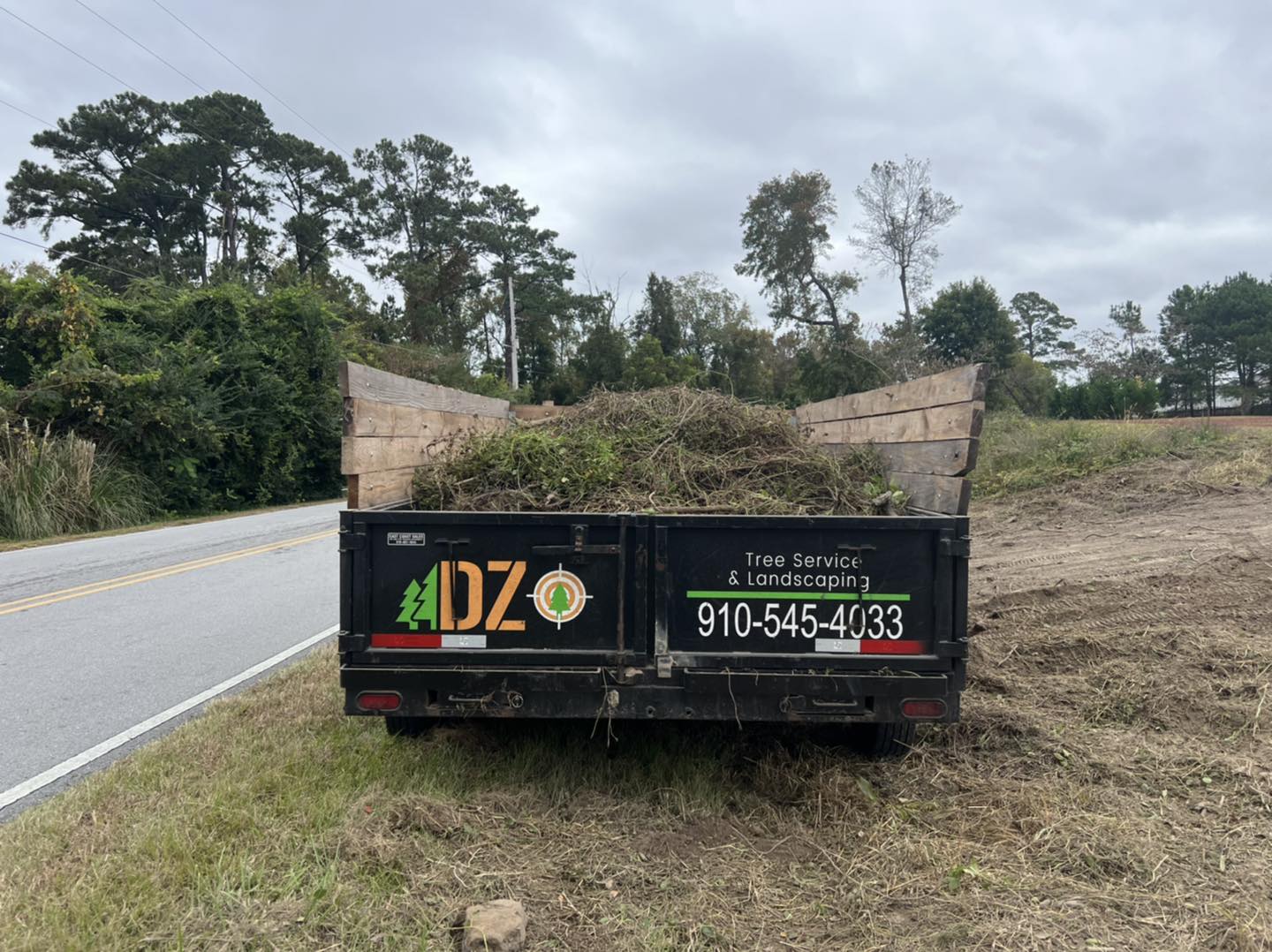
- Clearing Debris from Demolition Sites: Commercial demolition often leaves behind large quantities of debris, including concrete, rebar, and building materials. A dump truck provides the bulk hauling needed to transport this debris to appropriate disposal sites.
- Grapple Truck for Large Materials: For large or heavy materials, such as beams or large chunks of concrete, the grapple truck can lift and move debris into the dump truck, reducing manual labor and expediting cleanup.
- Example: After demolishing a warehouse, the debris includes steel beams, large piles of rubble, and heavy timber. The grapple truck picks up these materials and loads them into dump trucks for transport to a recycling facility.
Yard Waste and Vegetation Removal
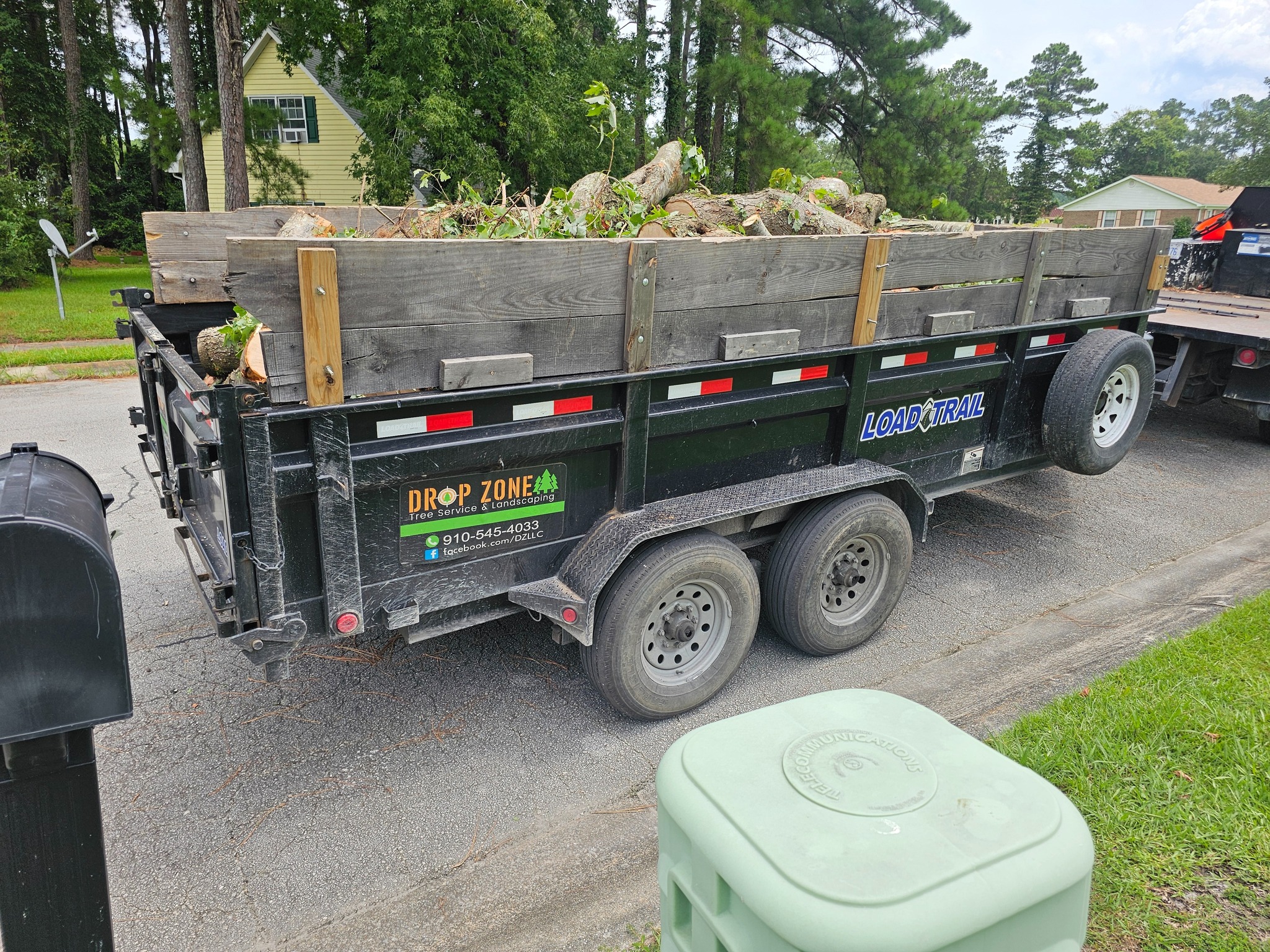
- Seasonal Yard Cleanups: Homeowners and landscapers often need to remove yard waste such as fallen leaves, branches, and lawn clippings during seasonal cleanups. While smaller yard cleanups can be handled by standard equipment, larger-scale projects often require dump truck or grapple truck services to efficiently remove the debris.
- Dump Truck for Yard Waste: A dump truck allows for large quantities of yard waste (such as multiple tons of leaves and branches) to be hauled away in a single trip.
- Example: During a fall yard cleanup, the property produces several cubic yards of leaves, branches, and mulch. The dump truck loads all this material in one go and transports it to a composting facility.
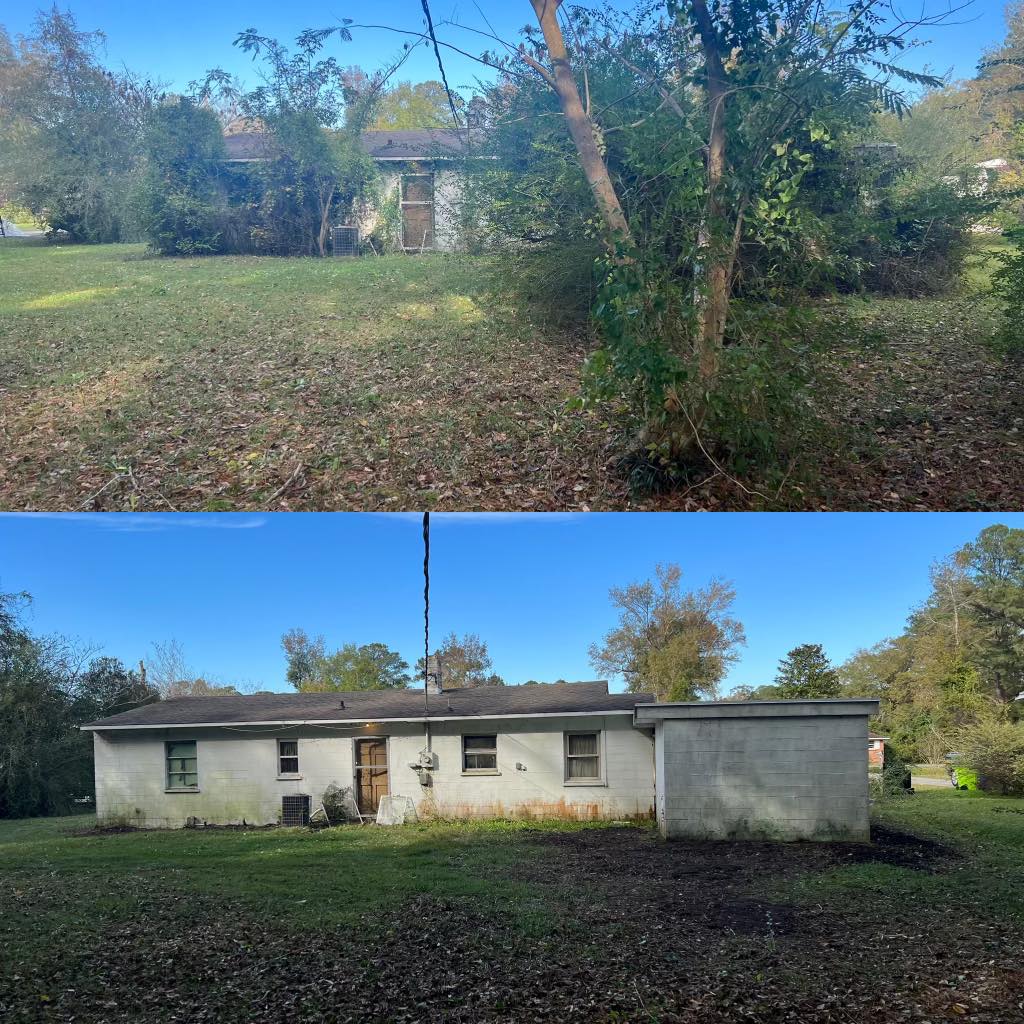
- Vegetation Removal for Overgrown Properties: Properties that have been left to overgrow with invasive plants, brambles, or large weeds need more than a standard truck. A grapple truck can clear large bushes or uproot invasive shrubs such as privet and multiflora rose, making vegetation removal faster.
- Example: A client’s property is overgrown with privet and thorny blackberry brambles. A grapple truck pulls up and loads the dense vegetation for removal.
Ready to get great service?
Other Trades That Benefit from Dump Truck and Grapple Truck Services
Beyond tree and vegetation removal, dump trucks and grapple trucks provide critical services for a variety of other industries and trades that require heavy-duty hauling and material handling. Below are specific examples of how these vehicles are used in different sectors.
Construction and Demolition
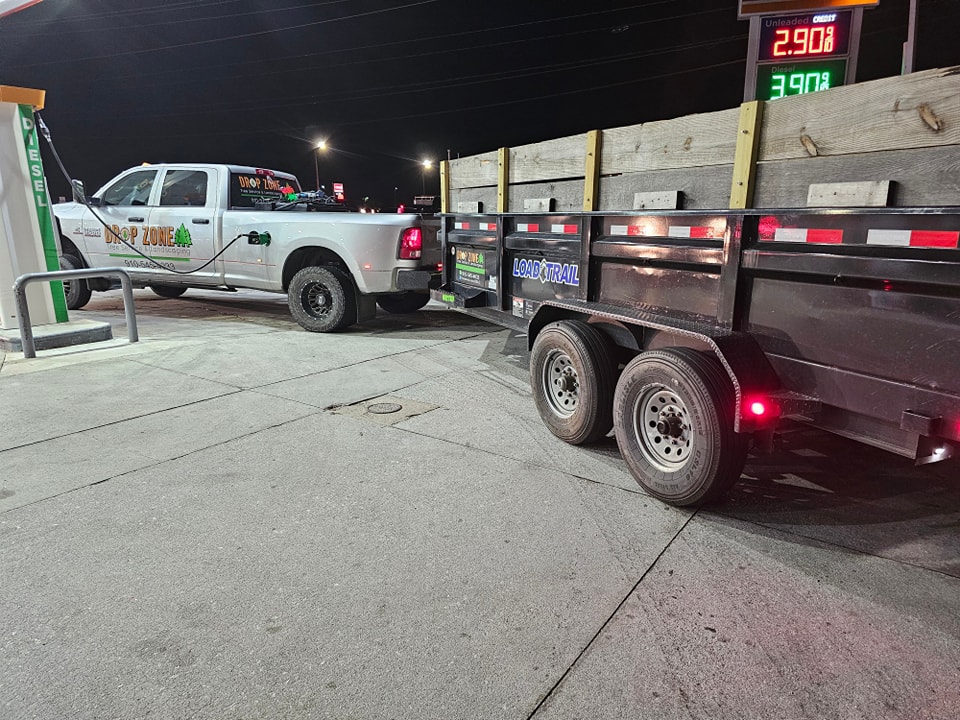
- Debris Hauling from Construction Sites: Construction generates large amounts of debris, including wood, concrete, and metals. Dump trucks are used to haul construction debris to landfills, while grapple trucks lift and load heavy materials like rebar, concrete chunks, and timber.
- Example: After constructing a building, several tons of leftover concrete and construction waste need to be removed. A grapple truck handles the larger pieces, while a dump truck transports the material off-site.
- Demolition Cleanup: After demolishing a building, large beams, steel, and concrete need to be cleared. Grapple trucks remove oversized materials, and dump trucks haul smaller debris to disposal sites.
- Example: A two-story warehouse is demolished, leaving behind piles of bricks, steel beams, and broken concrete. Grapple trucks and dump trucks work together to clear the site for the next phase of development.
Landscaping and Hardscaping

- Removing Large Boulders and Materials: With landscaping, especially on larger properties, dump trucks are used to haul bulk materials like soil, sand, gravel, boulders or mulch. Grapple trucks assist with placing or removing large stones, tree roots, or boulders.
- Example: A commercial landscaping project requires the removal of several tons of boulders and soil. A grapple truck picks up the boulders while a dump truck hauls them away.
- Clearing Hardscaping Debris: Hardscaping projects involving retaining walls, patios, or walkways generate significant debris. Grapple trucks lift stone and concrete debris, and dump trucks carry them away.
- Example: After dismantling a stone patio, a dump truck is used to remove broken pieces, while a grapple truck lifts larger stone blocks for disposal.
Agriculture
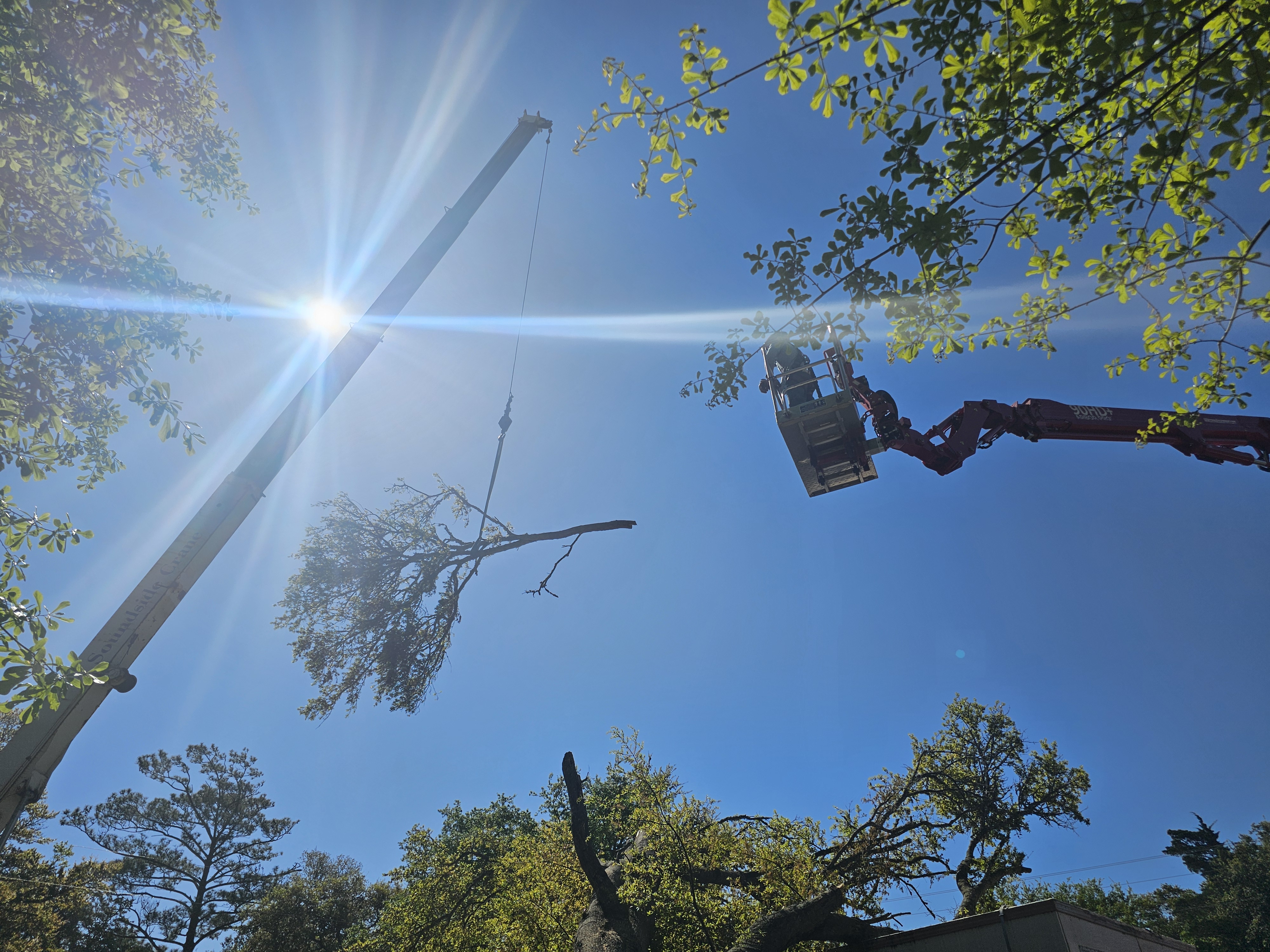
- Clearing Agricultural Fields: Grapple trucks are commonly used to clear fallen trees, rocks, and large debris from agricultural fields, while dump trucks transport organic waste, brush, or other debris to composting or disposal facilities.
- Example: After a field is cleared of brush and invasive plants, the dump truck hauls several tons of organic material to a composting center.
- Vegetation Removal for Farming: In preparation for planting or irrigation projects, large areas of vegetation (like invasive species or overgrown shrubs) may need to be cleared. Grapple trucks lift and remove large sections of this vegetation.
- Example: Before planting a new orchard, a farm needs to clear underbrush and invasive trees from several acres. A grapple truck removes the debris, while a dump truck transports it for disposal.
Utility Services
- Utility Pole and Equipment Removal: Utility companies often need to remove old utility poles, transformers, and equipment. Grapple trucks can lift these heavy items, and dump trucks transport them to recycling or disposal facilities.
- Example: After replacing a series of telephone poles, a utility company uses a grapple truck to load the old poles onto a dump truck for disposal.
- Line Clearing and Maintenance: Utility lines require regular clearing of trees, branches, and brush to prevent service disruptions. Dump trucks haul away the resulting debris, while grapple trucks assist with removing large limbs or tree sections.
- Example: A power line maintenance crew removes overhanging tree branches from transmission lines. A grapple truck collects the limbs and loads them into a dump truck.
Roadway and Highway Maintenance
- Roadside Debris Clearing: After accidents, storms, or construction projects, large amounts of debris accumulate along roadways. Grapple trucks are used to clear heavy debris (such as logs or building materials), and dump trucks haul the debris to disposal sites.
- Example: After a major storm, trees and signs block a highway. A grapple truck removes the debris while a dump truck hauls it away for disposal.
- Construction Debris Removal: Highway and road construction generates debris such as asphalt, gravel, and concrete, all of which need to be hauled off-site for recycling or disposal.
- Example: After resurfacing a highway, a dump truck hauls away the old asphalt, and a grapple truck removes large pieces of road debris from the site.
Ready to get great service?
We Perform Debris Hauling - Dump Truck - Grapple Truck & Vegetation Removal Services
in theses areas:
here's some answers to our frequently asked questions
Answer: There are several signs that a tree may need to be removed. These include significant leaning, large or numerous dead branches, damage to the trunk, signs of disease, or its proximity to structures or power lines. Our professional arborists can conduct an on-site assessment to determine whether a tree should be removed or if it can be saved with proper care.
Answer: For most trees, late winter or early spring, just before the tree starts to bud, is the ideal time for pruning. During this time, trees are in their dormant phase, which reduces stress and allows for vigorous growth in the spring. However, the best time can vary depending on the tree species and specific health concerns, so it's always a good idea to consult with a professional.
Answer: Cabling and bracing are methods used to provide structural support to trees that have weak limbs or that are at risk of breaking. Cabling involves installing steel cables between major limbs to strengthen the tree and limit branch movement. Bracing involves inserting rods to provide additional support. These methods can extend the life of the tree and reduce the risk of property damage or injuries.
Answer: We generally recommend an annual inspection for your trees. However, this can vary depending on the tree species, age, size, and overall health. More frequent inspections may be necessary for trees that are older, showing signs of disease, or exposed to extreme weather conditions.
Answer: Stump grinding is a process that uses a specialized machine to chip away the wood of a stump until it is below ground level. It is often necessary because leftover stumps can be hazardous, unsightly, and take up valuable space. Moreover, stumps can become a home for pests or diseases that can spread to other plants in your landscape.
Answer: Yes, we provide comprehensive storm damage recovery services. These include 24/7 emergency response, damage assessment, safe tree removal, debris cleanup, tree pruning, and tree replacement. Our goal is to help restore your landscape to its pre-storm condition as much as possible and to reduce further risks to your property.
Answer: There are several factors to consider when choosing a new tree. These include the tree’s size at maturity, its soil and sunlight requirements, its tolerance to local pests and diseases, and its compatibility with your landscape's existing plants. Our tree planting service includes consultation on tree species selection to ensure you make the best choice for your landscape.
Answer: Mulching involves applying a layer of material (such as wood chips, leaves, or compost) around the base of your trees. It serves several purposes: it helps retain soil moisture, suppress weeds, regulate soil temperature, and improve soil nutrition. It also gives your landscape a clean, finished appearance.
Answer: Brush and underbrush can make your property look unkempt, but they also have more significant drawbacks. They can provide a habitat for pests, impede the growth of preferred plants, increase the risk of fire, and obscure hazards like stumps or uneven ground. Our brush and underbrush removal services help maintain the health and aesthetics of your landscape.
Answer: Yes, we offer tree transplanting services. Transplanting a tree involves carefully digging it up, preserving as much of the root system as possible, and then replanting it in a new location. This process can be complex and requires professional expertise to ensure the tree's survival. It's important to note that the success rate can vary depending on the tree species, its age, and its overall health.
Answer: Some common signs of a diseased or dying tree include discolored or wilting leaves, dead branches, fungal growth, peeling bark, holes or cracks in the trunk, and reduced growth. If you notice any of these symptoms in your trees, our professional arborists can provide an accurate diagnosis and recommend an appropriate treatment plan.
Answer: Tree trimming and removal can be dangerous tasks that require professional training and equipment. Mistakes can result in injury, property damage, or harm to the tree itself. We strongly recommend hiring professional arborists, like our team, to handle these services safely and effectively.
Answer: This can depend on factors such as the type of grass you have, the season, and the desired health and appearance of your lawn. Generally, mowing every one to two weeks is recommended during the growing season. Our team provides customized lawn care services and can offer specific advice for your yard.
Answer: During a tree health assessment, our arborists will thoroughly inspect the tree, including its branches, leaves, bark, and roots. We'll look for signs of disease, pest infestations, structural issues, or other problems. After the assessment, we can recommend treatment options or maintenance practices to improve the tree's health and longevity.
Answer: We understand the urgency of tree emergencies and offer 24/7 emergency services. Our team is always on standby and will respond as quickly as possible to help mitigate risks and address your tree-related emergencies.
Answer: Land grading is the process of leveling the ground for construction, landscaping, or drainage improvements. Proper grading can prevent water damage to your property, improve the health of your lawn and gardens, and create a more usable space. Our team has the expertise and equipment to perform land grading services efficiently and effectively.
Answer: Mulching in the spring helps to suppress weeds, retain soil moisture, and regulate soil temperature during the summer. Mulching in the fall helps to protect plant roots from the winter cold and adds nutrients to the soil for the next growing season. Our mulching services can help keep your landscape healthy and attractive year-round.
Answer: If a tree falls during a storm, it's important to stay away from it, especially if it's entangled with power lines. Contact our emergency tree service immediately. We'll arrive promptly to assess the situation, remove the tree safely, and help minimize further damage to your property.
Answer: After planting, your new tree will require regular watering to establish its root system. Mulching around the base of the tree can also help retain moisture and regulate soil temperature. It's generally best to avoid fertilizing in the first year. Our team will provide detailed care instructions tailored to your specific tree species and location.
Have more Questions? CONTACT US!
Ready to get great service?
About our company
Drop Zone LLC Tree Service and Landscaping is a Full Service Tree Contractor. We provide EVERYTHING that deals with Trees and Landscaping. We also service Eastern North Carolina from Wilmington NC, Jacksonville NC, New Bern NC and other locations. Give us a call and speak with our expert team today!
main pages
Hours
Monday: 9AM to 5PM
Tuesday: 9AM to 5PM
Wednesday: 9AM to 5PM
Thursday: 9AM to 5PM
Friday: 9AM to 5PM
Saturday: Appt. Only
Sunday: Appt. Only
Emergency Hours
24/7 Emergency Service
Contact

Recognition
Jonathan Persinger
ISA Certified Arborist
ISA# SO-11388A
©Copyright Drop zone llc tree service and landscaping - 2024
Designed, Built & Powered by Victus Digital Marketing.


